hi there👋, I'm
Veronica
about me.
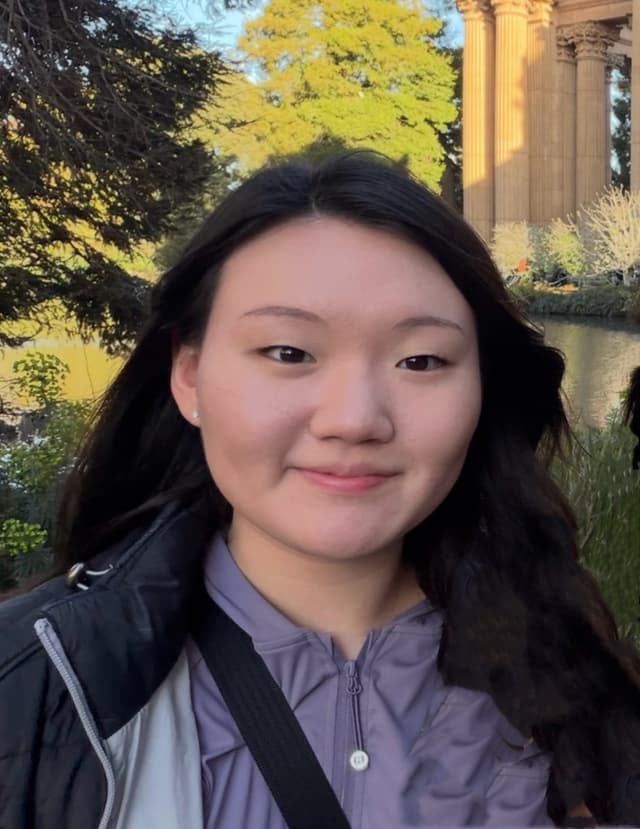
Hi! I'm Veronica, a CS student at Stanford. I'm drawn to problems relating to visual perception stemming from my interests in computer vision and design. Currently I'm especially interested in using diffusion and generative AI to build realistic world models to use in fields like robotic training, art, games, and HCI. I've done research in surgical video understanding (phase recognition with transformers), quantum computing (adiabatic state preparation scaling), and dynamic graph learning. Outside of research I build full-stack products and spend time on graphic design and studio art. Currently mainly working in C++ and learning 3D rendering plus AI/ML.
education.
Stanford University
B.S. Computer ScienceStanford, CA
2025 – 2029
experience.
Software Engineering Intern Seattle, WA
at, boeing.com
June 2026 – August 2026
- Implemented ramoops kernel crash persistence and designed a live serial logging system for the P-8 aircraft mission computer, allowing system states and kernel logs across 45 systems to be preserved for debugging.
- Worked with hardware to identify active console ports and evaluated a screen based approach to log each console session with tmux/telnet session management, systemd startup, and logrotate retention.
- C
- C++
- Python
- Bash
- Perl
- Mission Systems
- Virtual Integration
May 2024 – October 2024
- Accepted to European Physical Journal A: Hadrons and Nuclei (EPJA-108258.R2).
- Co-authored with physicists at the University of Maryland, providing numerical evidence for a conjecture about the computational cost of adiabatic quantum state preparation.
- Demonstrated that the cost proxy Q_D scales as L log L (superlinear) in path length L, confirming the conjecture that adiabatic state preparation is generically more expensive than linear-scaling alternatives as system size grows.
- Built a simulation pipeline to orchestrate 1k+ runs with strict 10% error gates and validated results across 3 independent proxy formulations and multiple Hamiltonian draws to ensure the scaling behavior was robust.
- Python
- Mathematica
- Quantum Simulation
- Adiabatic Theorem
- Numerical Methods
projects.
- researchml
Surgical Phase Recognition for Aneurysm Clipping
Stanford University · CS231N
w/ Emily Oberleitner, Nicole Wong, Dr. Jinendra Ekanayake
- F1@10: 0.944
- Best Val Acc: 95.7%
- Edit Dist: 0.809
- Collaborated with Stanford School of Medicine.
- Sourced a proprietary dataset of 48 intraoperative microscope videos (40,725 labeled frames) of aneurysm clipping surgery, annotated using CVAT across 4 surgical phases: Brain Exposure, Parent Vessel Identification, Dome & Neck Identification, and Clipping. Used video-level train/val splits to prevent temporal data leakage.
- Designed NeuroOperA, a causal transformer for phase recognition adapted from the laparoscopic OperA — and outperformed it, achieving a Viterbi segmental F1@10 of 0.944 vs. OperA's ~0.80. Also implemented MS-TCN (which OperA did not), achieving ~95% validation accuracy vs. OperA's 92%.
- Showed that fine-tuning ResNet50 on surgical frames (vs. frozen ImageNet weights) was the single largest factor: frame accuracy jumped from 53% to 95.7% and F1@10 from 0.553 to 0.895.
- Applied Viterbi decoding with a data-driven learned transition matrix, outperforming hand-crafted surgical priors across all thresholds.
- Python
- PyTorch
- ResNet50
- MS-TCN
- Transformer
- Viterbi Decoding
- CVAT
- t-SNE
- Confusion Matrix
- Ablation Study
- GCP
- researchml
EvolveGCN-T: Self-Attention for Dynamic Graph Weight Evolution
Stanford University · CS229
w/ Victoria Yang, Kaci Morris
- +8.4pt micro-F1 on Bitcoin-OTC
- GRU → Transformer weight evolution
- Reproduced baselines to ±1%
- Proposed EvolveGCN-T, replacing EvolveGCN's GRU-based weight evolution with a Transformer encoder that self-attends over the explicit history of GCN weight matrices rather than node embeddings.
- Outperformed the matched recurrent baseline (EvolveGCN-O) on Bitcoin-OTC edge classification: micro-F1 0.783 vs. 0.699, a +8.4 point improvement.
- Reproduced published EvolveGCN baselines to within ±1% (Elliptic illicit-F1: 0.578 vs. paper's 0.51; SBM MAP: 0.194 vs. 0.199) before introducing the proposed variant.
- Identified optimization instability as the primary bottleneck since self-attention showed no consistent benefit from longer history windows.
- Evaluated across SBM (synthetic link prediction) and Bitcoin-OTC (signed trust network edge classification).
- Python
- PyTorch
- Graph Neural Networks
- Transformer
- EvolveGCN
- Weights & Biases
- Scikit-learn
- Docker
- GCP
- full-stackml
JobShield: Detecting Fraudulent Job Postings
Stanford University · Team 19
w/ Yohannes Aklilu, Anna Roth, Anayochukwu Edwin Uche, Victoria Yang
- F1: 0.913
- 4.5× cheaper than LLM-only
- 95/100 fraud caught
- Built a full-stack job posting platform with a three-layer fraud detection pipeline targeting real malware attack vectors (OtterCookie, FlexibleFerret) that have been active since 2024.
- Hybrid LR→LLM pipeline achieved F1 of 0.913, catching 95/100 fraudulent postings while being 4.5× cheaper than using Gemini alone ($0.077/1k vs $0.35/1k).
- Automatic feedback loop injects every moderator decision as a labeled few-shot example into subsequent LLM calls, enabling continuous improvement without retraining.
- Logistic Regression + TF-IDF on posting text plus 8 metadata flags (missing salary, missing requirements, etc.) handles most cases in under 0.05ms.
- Next.js
- TypeScript
- Supabase
- Gemini 2.5 Flash
- Scikit-learn
- TF-IDF
- Vercel
- PostgreSQL
- GCP
Chimes: Assistive Audio ID Device
Chimes · Contract
- 30.1% faster ID
- 6-participant user study
- Designed an RFID-based audio identification device for visually impaired custodial employees at Chimes, a nonprofit employing people with disabilities — helping workers safely distinguish cleaning chemicals without relying on color or label recognition.
- Built a two-ESP32 pipeline: an RFID reader identifies tagged equipment and transmits the ID via ESP-NOW to a receiver ESP32, which matches it to an audio file on an SD card and plays it through a 3D-printed speaker enclosure.
- Ran a blindfolded user study with 6 participants across 6 trials — participants identified 5 chemicals 30.1% faster with the device; iterated on the design based on results, adding tactile attachment points and upgrading to an external speaker module.
- CAD-modeled a custom speaker enclosure in OnShape with honeycomb mesh acoustics, easy-repair access, and structural independence; housed the receiver ESP32, serial MP3 module, and speaker driver inside.
- Device was designed to scale to hundreds of employees across Chimes locations.
- ESP32
- RFID
- ESP-NOW
- C++
- Arduino
- OnShape
- CAD
- 3D Printing
- Raspberry Pi
technical skills.
Languages:
Python, JavaScript, TypeScript, HTML/CSS, LaTeX, C++, C, Java, x86
ML & AI:
PyTorch, Scikit-learn, ResNet50, Transformers, RNNs, Graph Neural Networks, MS-TCN, TF-IDF, Viterbi Decoding, Weights & Biases
Web & Full-Stack:
React.js, Next.js, Node.js, Tailwind CSS, ShadCN UI, Express.js
Data & Backend:
PostgreSQL, MongoDB, Supabase, Excel
Cloud & Tools:
AWS, Vercel, GCP, Git, Docker, CVAT
Quantum & Scientific Computing:
Adiabatic state preparation, Quantum simulation, NumPy, SciPy
Engineering:
OnShape, Fusion 360, 3D Printing, Woodworking, Soldering, Arduino, Raspberry Pi, CNC
Design:
Figma, Procreate, Procreate Dreams
art.
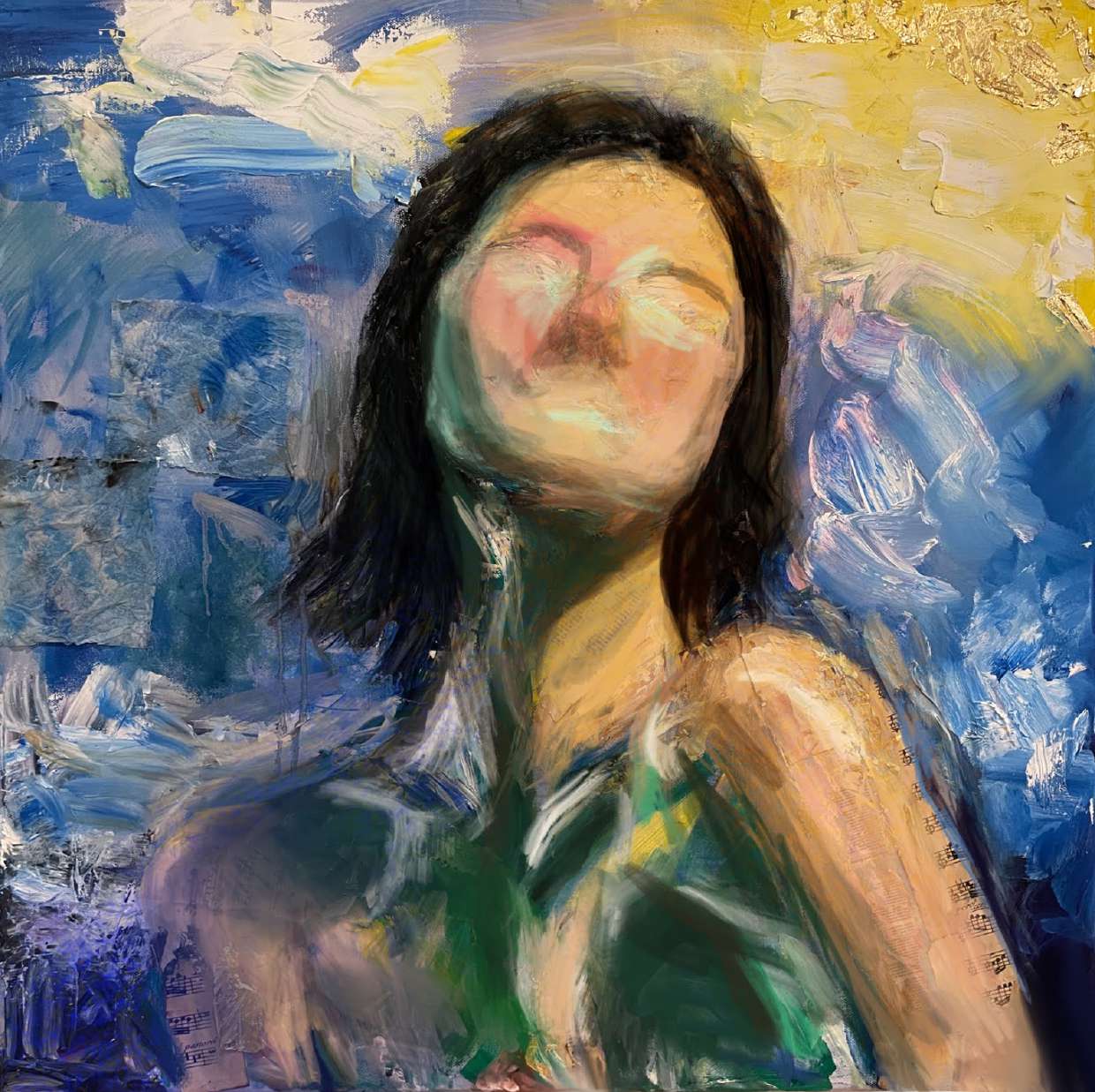
Figure
Oil on canvas · 2024
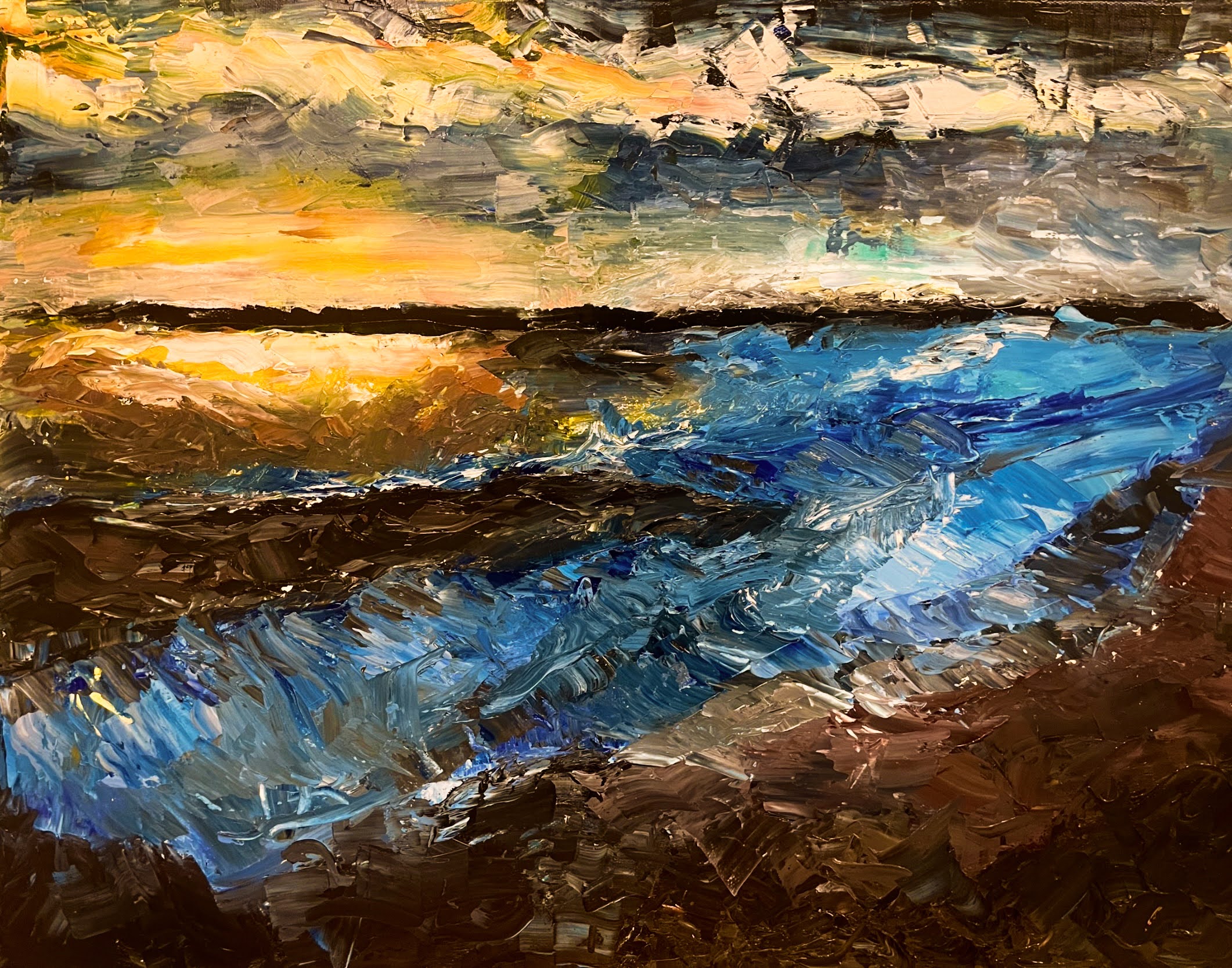
Turbulence
Oil on canvas · 2024
Oil Painters of America — Show #84271
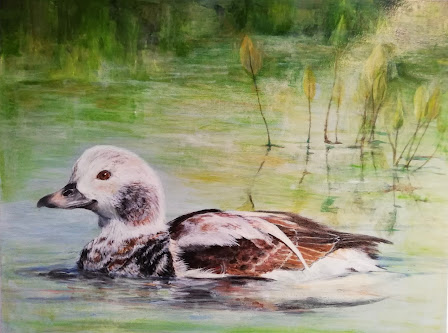
Long-tailed Duck
Acrylic on gessobord · 2023
FWS Junior Duck Stamp — MD State runner-up, national traveling display
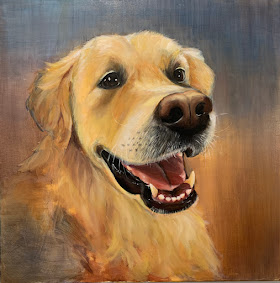
Forrest
Oil on canvas · 2024
Blue Marble Review — Issue 36
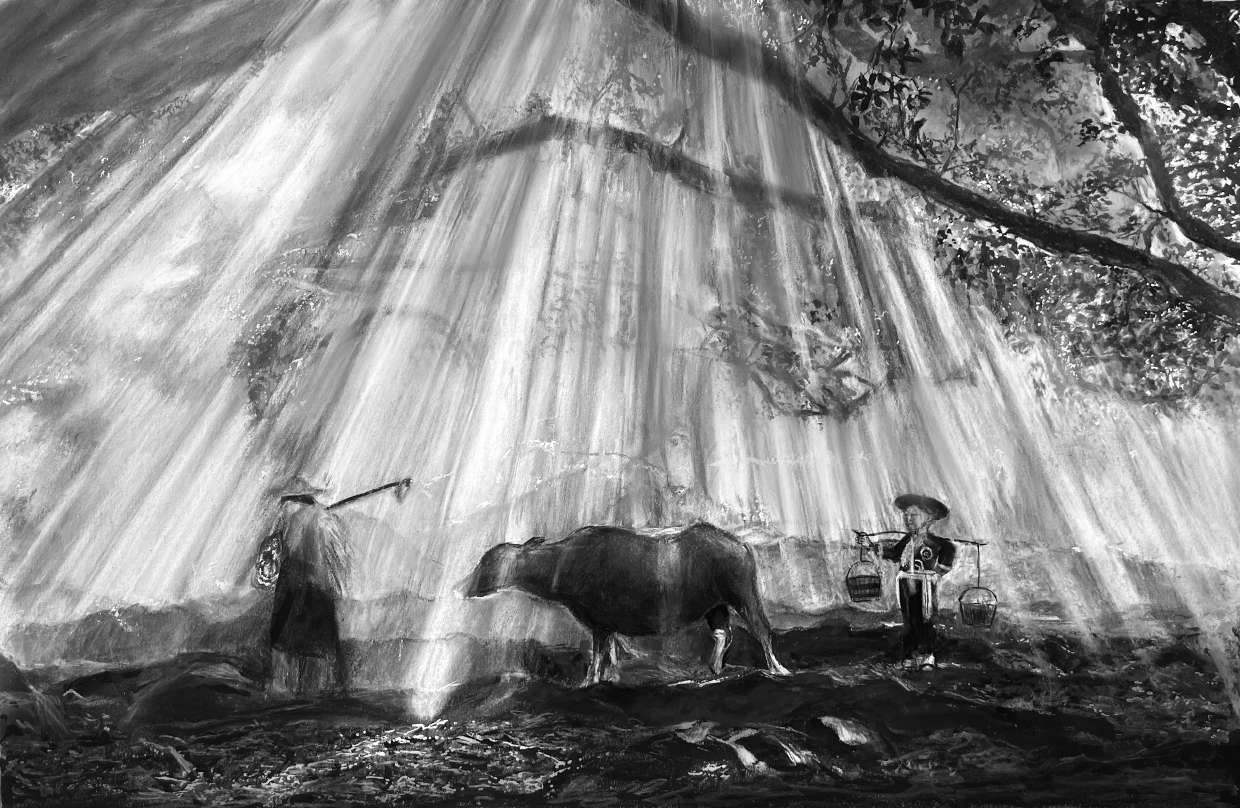
Untitled
Charcoal · 2025
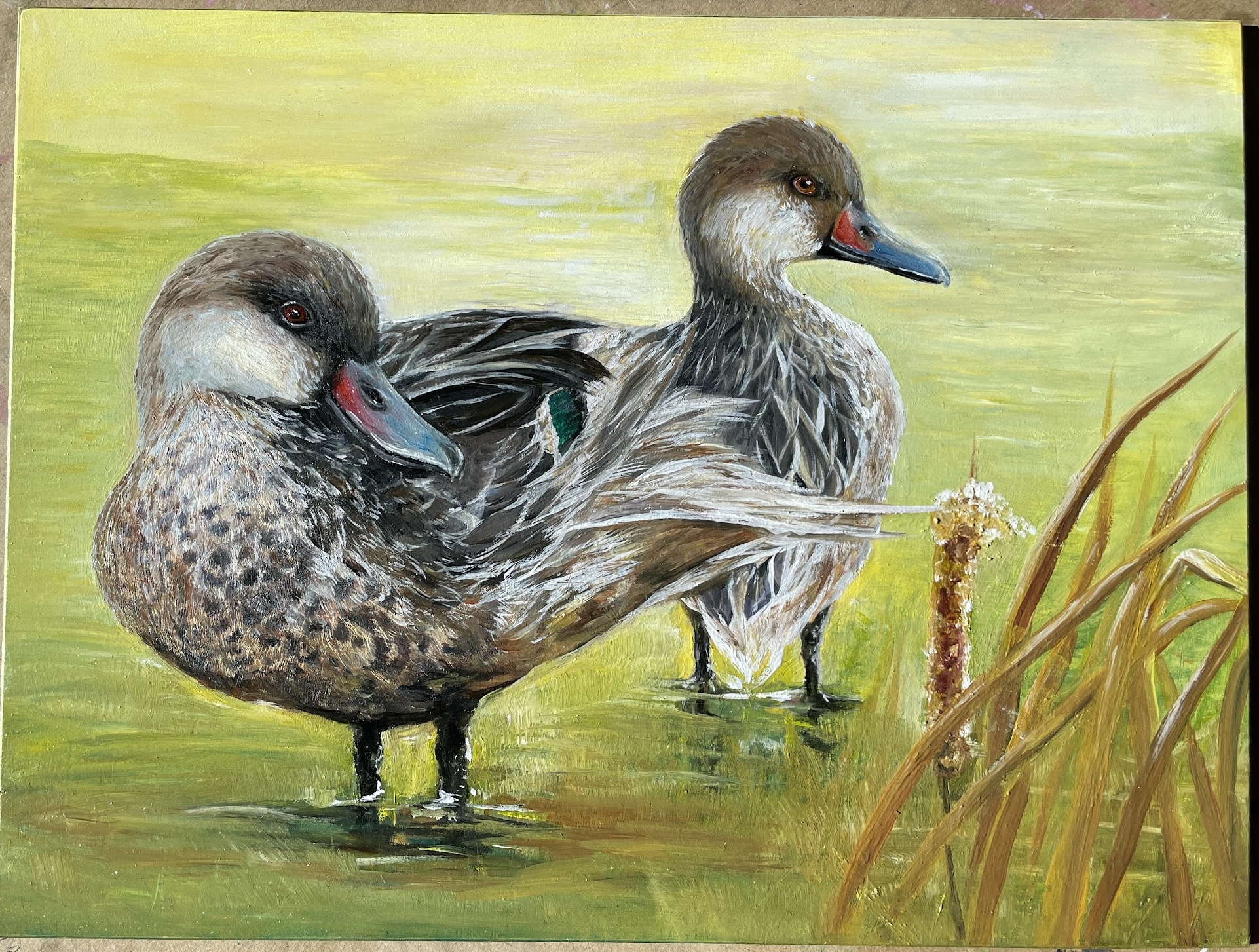
White-cheeked Pintails
Oil on gessobord · 2023
FWS Junior Duck Stamp — MD State runner-up, national traveling display
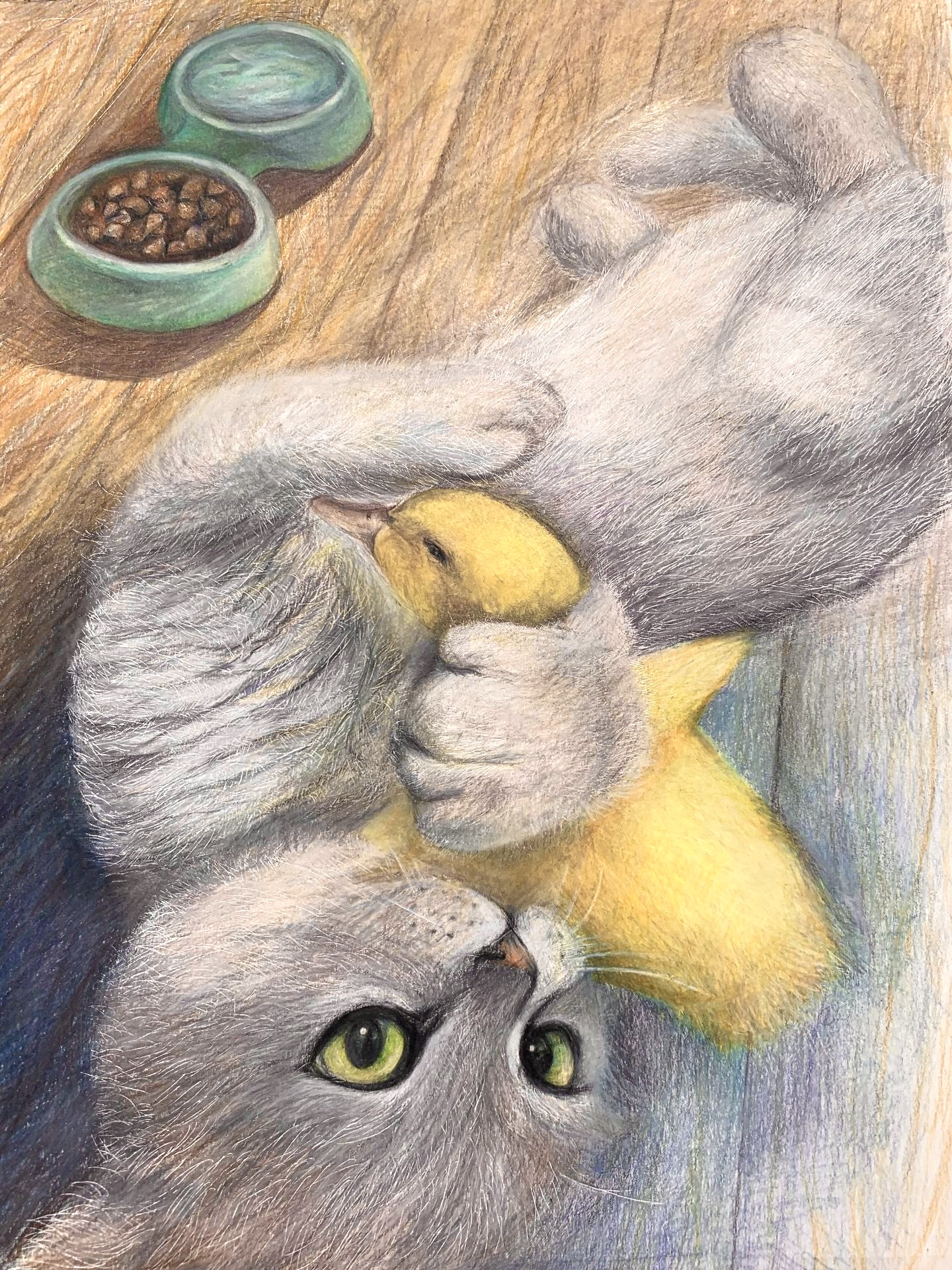
Playdate
Colored pencil · 2021
Celebrating Art Magazine — High Merit
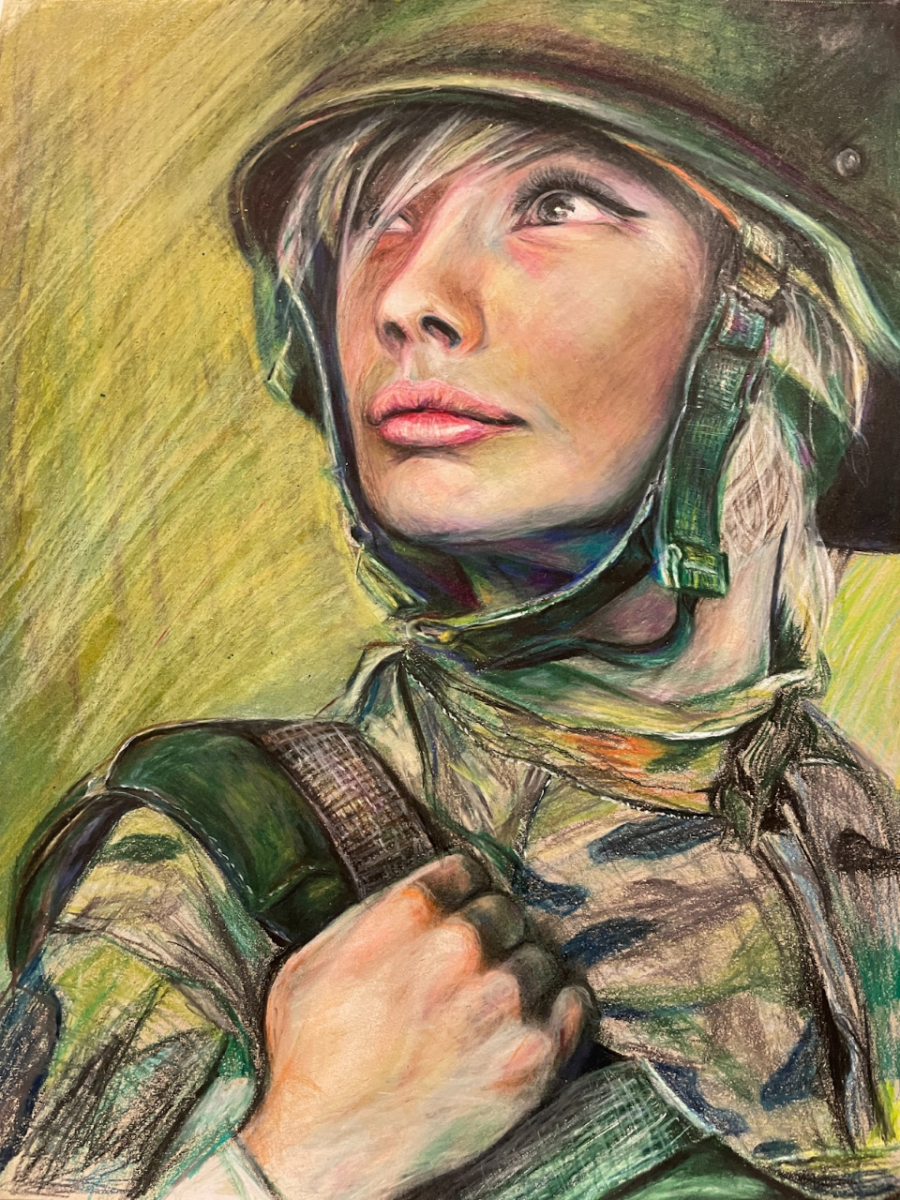
Greater
Colored pencil · 2022
Congressional Art Contest — Best Drawing, Poolesville HS
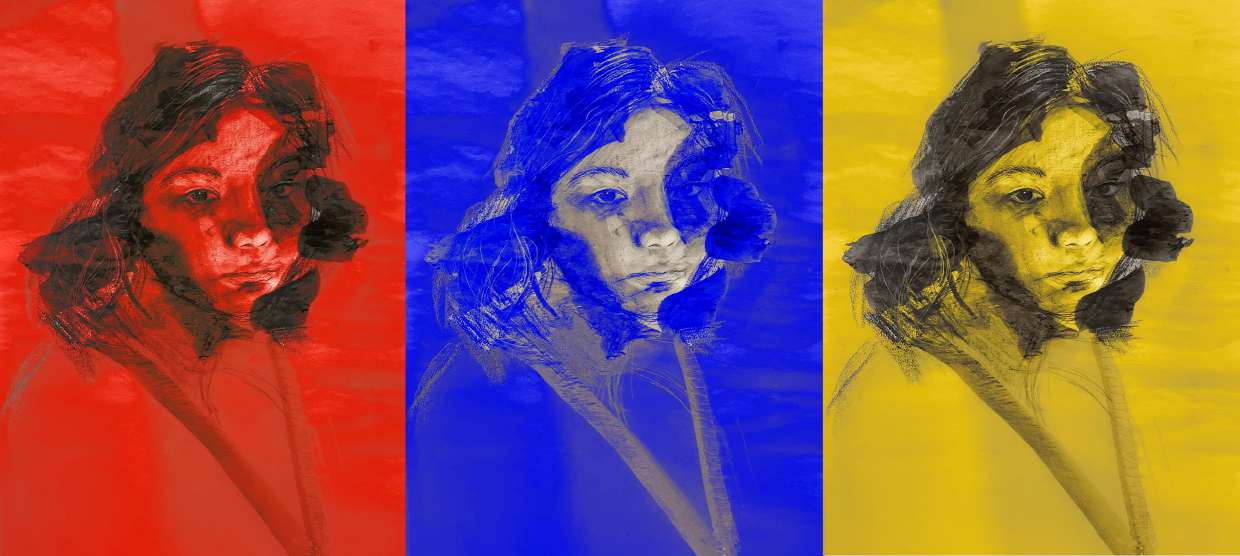
Triptych
Ink and digital · 2024
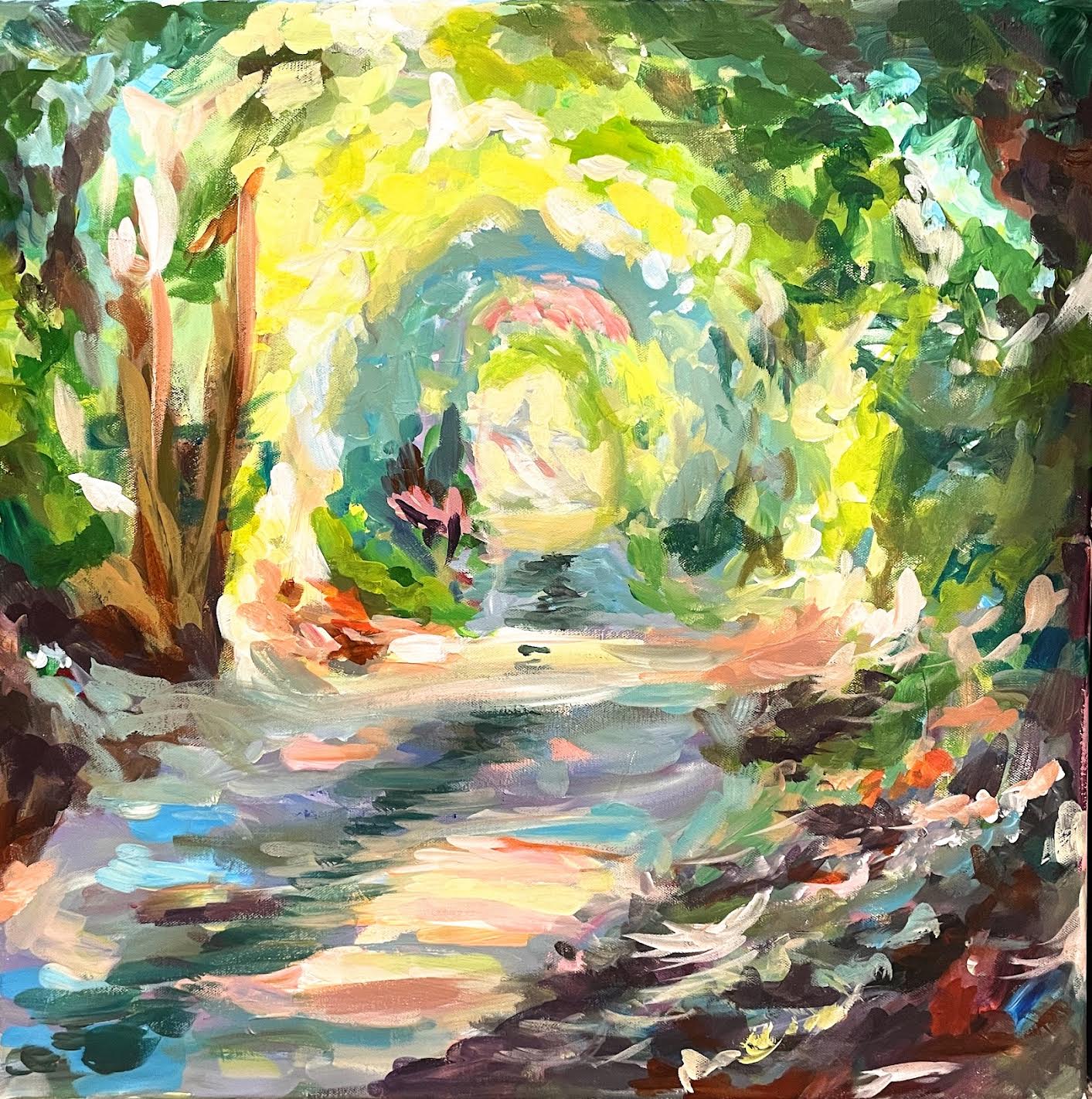
Paths
Oil on canvas · 2023
Blue Marble Review — Cover art
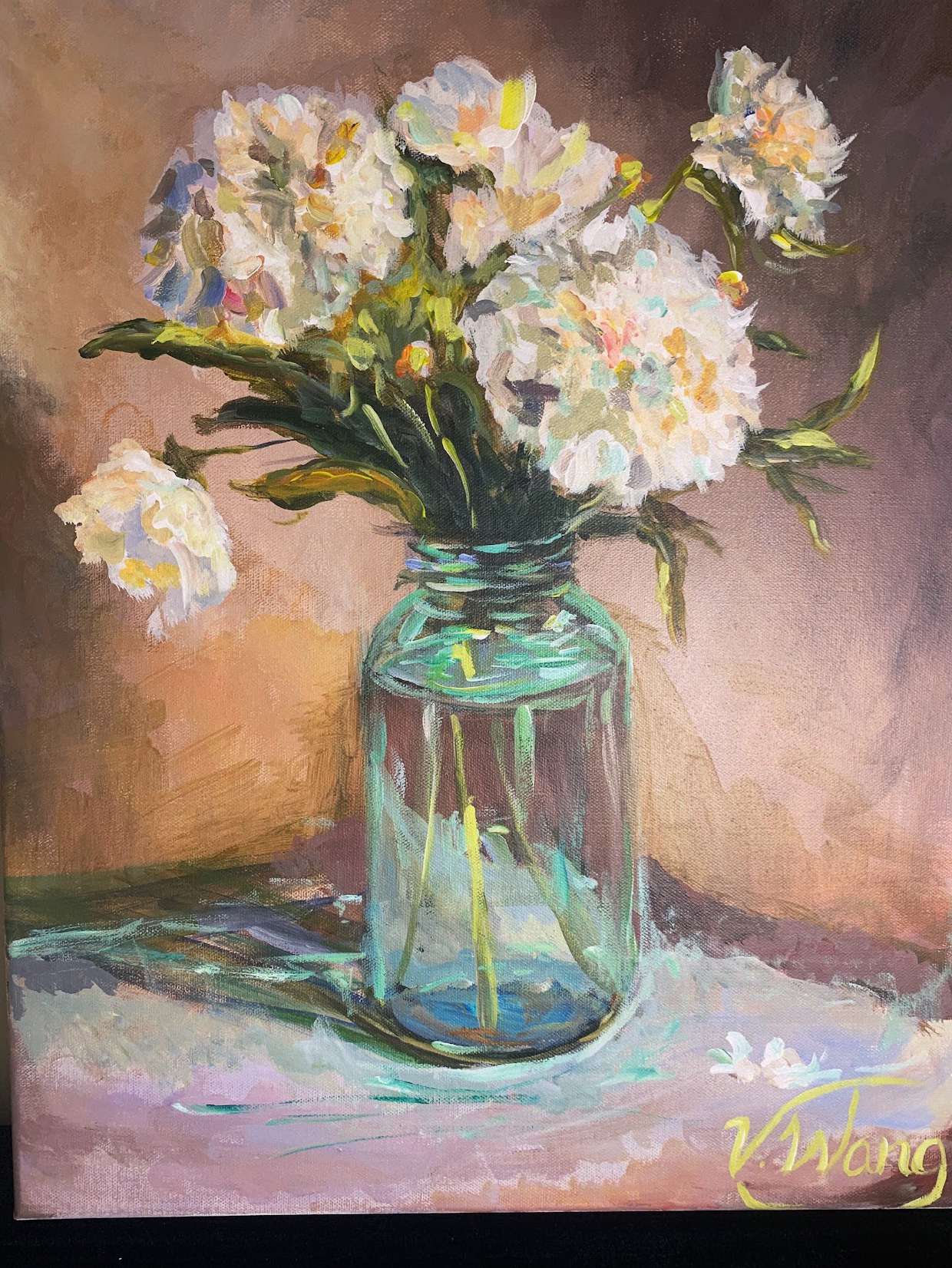
Peonies
Oil on canvas · 2022
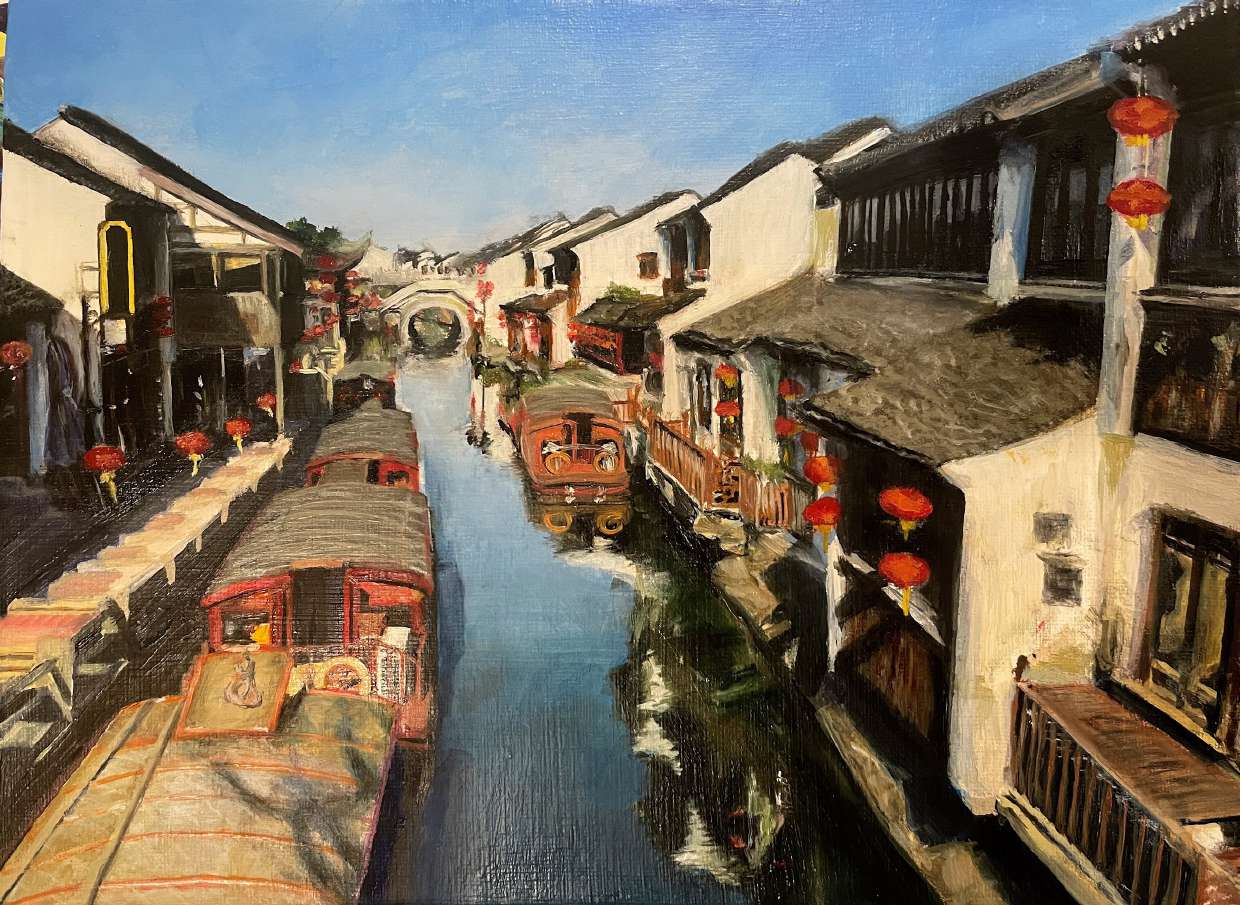
Suzhou Canal
Oil on canvas · 2025

Garden Path
Watercolor · 2024

For Grandpa
Procreate · 2024
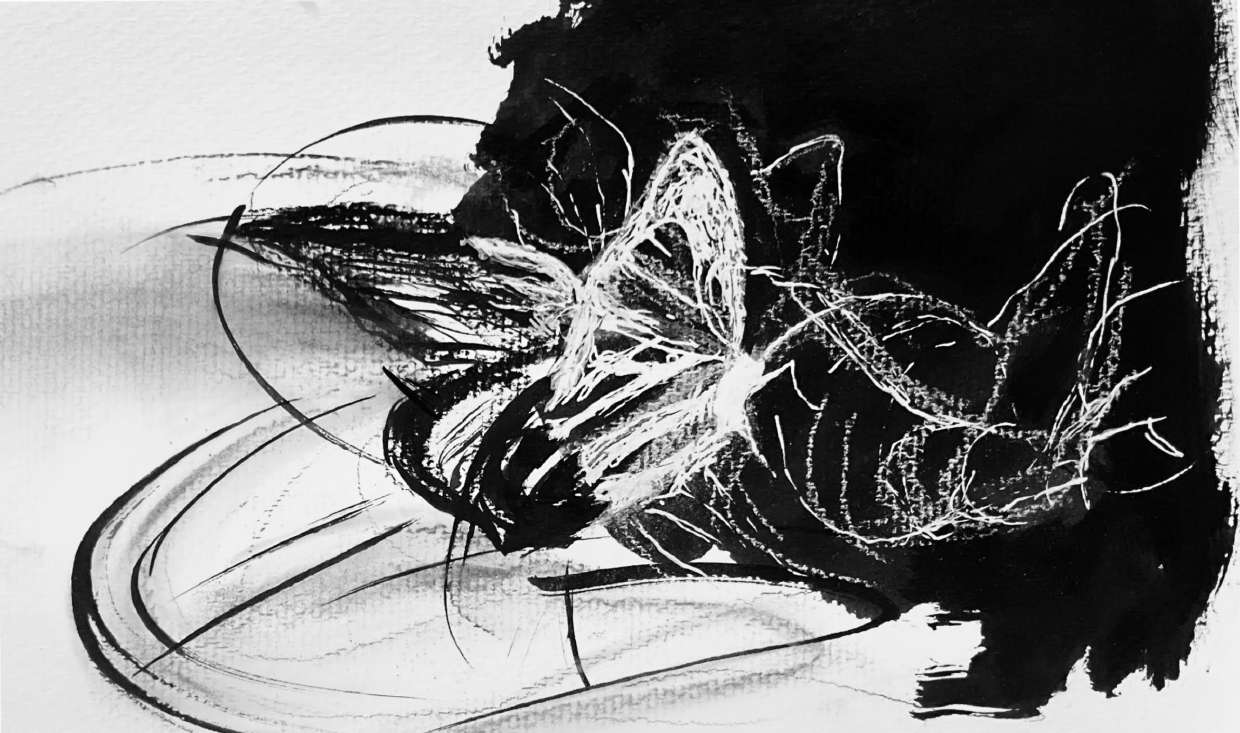
Metamorphosis
Ink and gelly pen · 2022
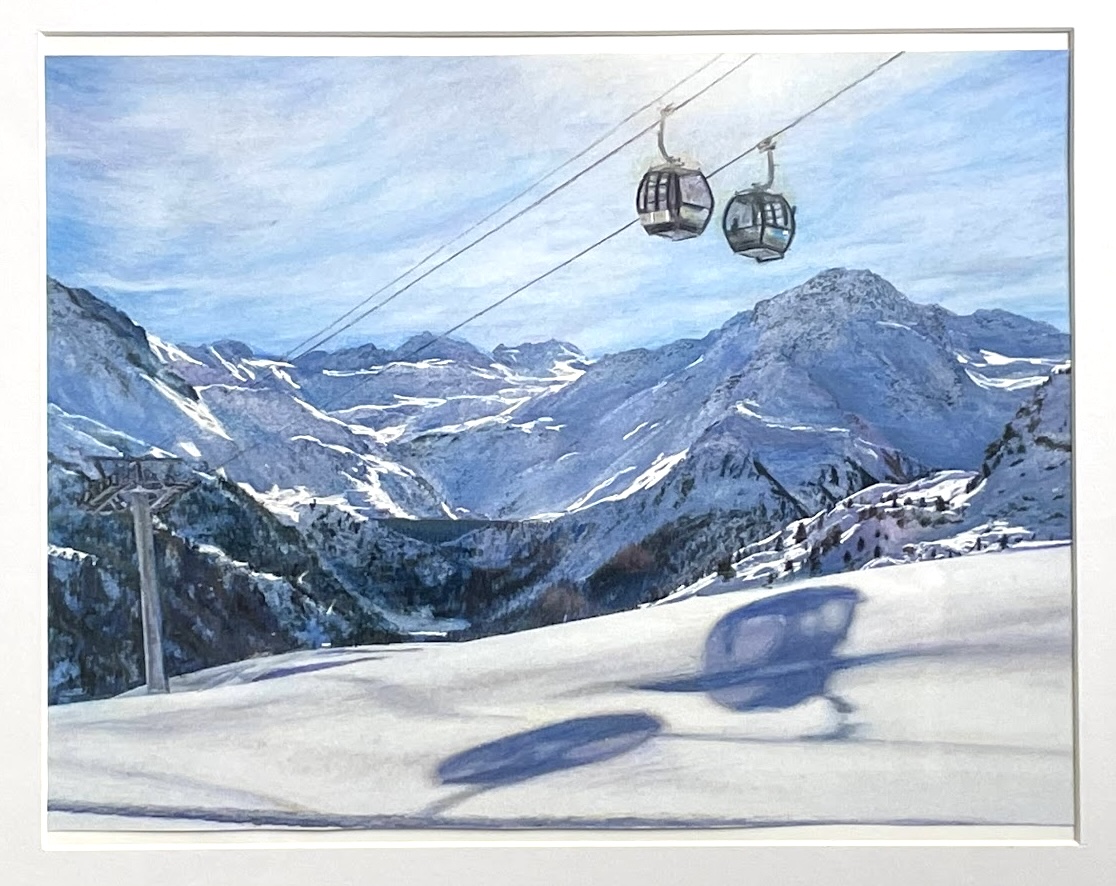
Slopes
Colored pencil · 2026
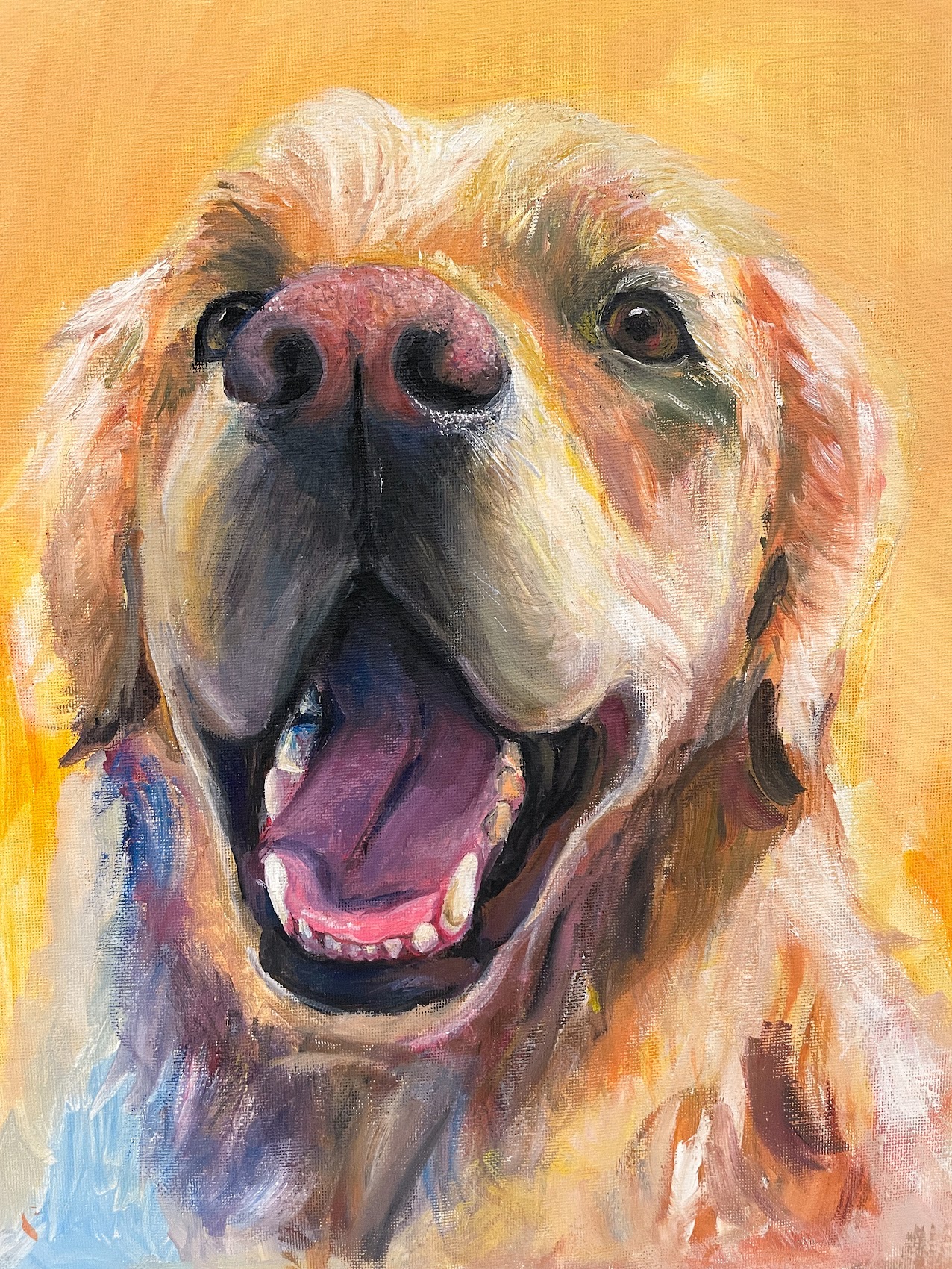
Forrest W.I.P
Acrylic · 2026
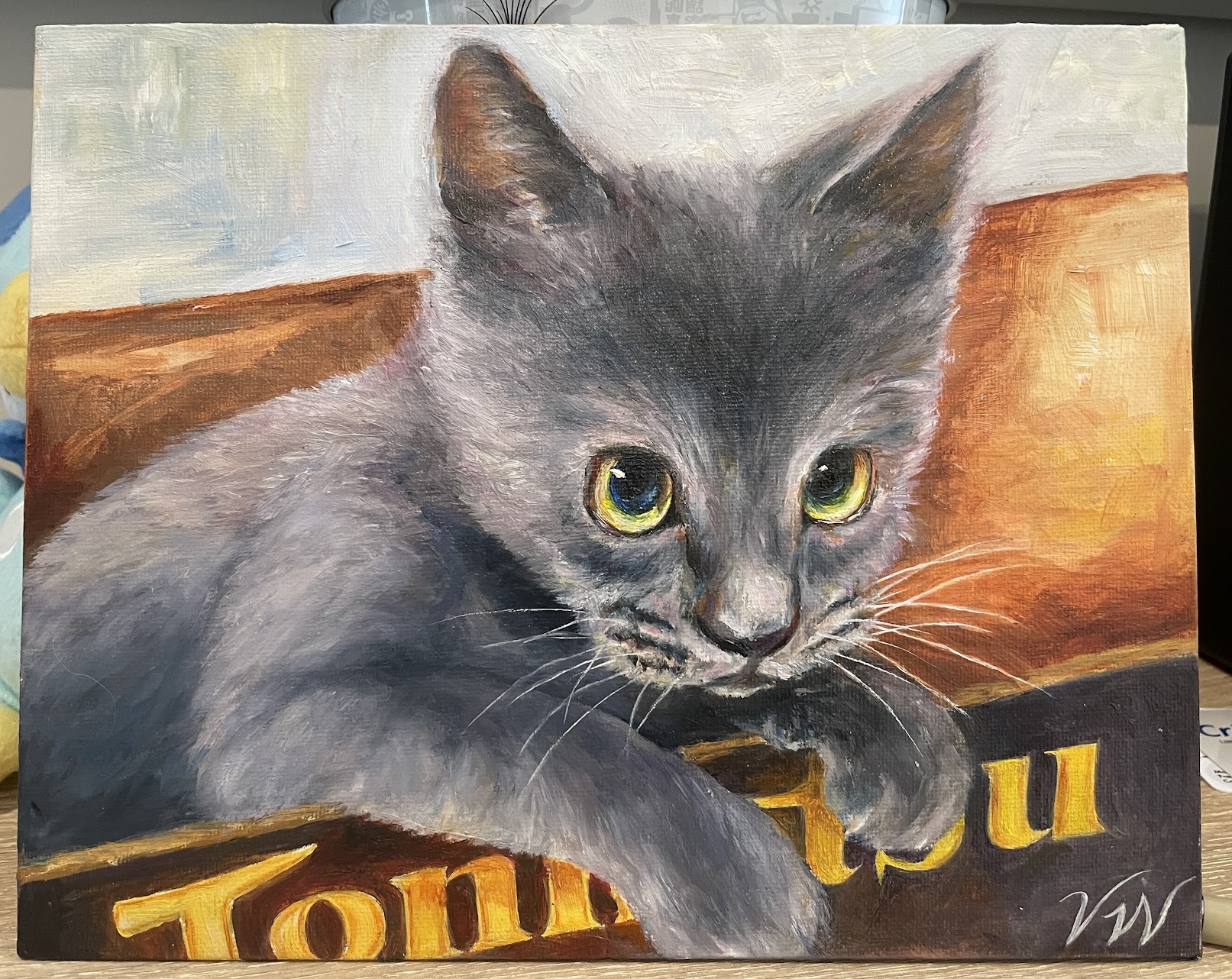
Pebbles
Oil on gessobord · 2022
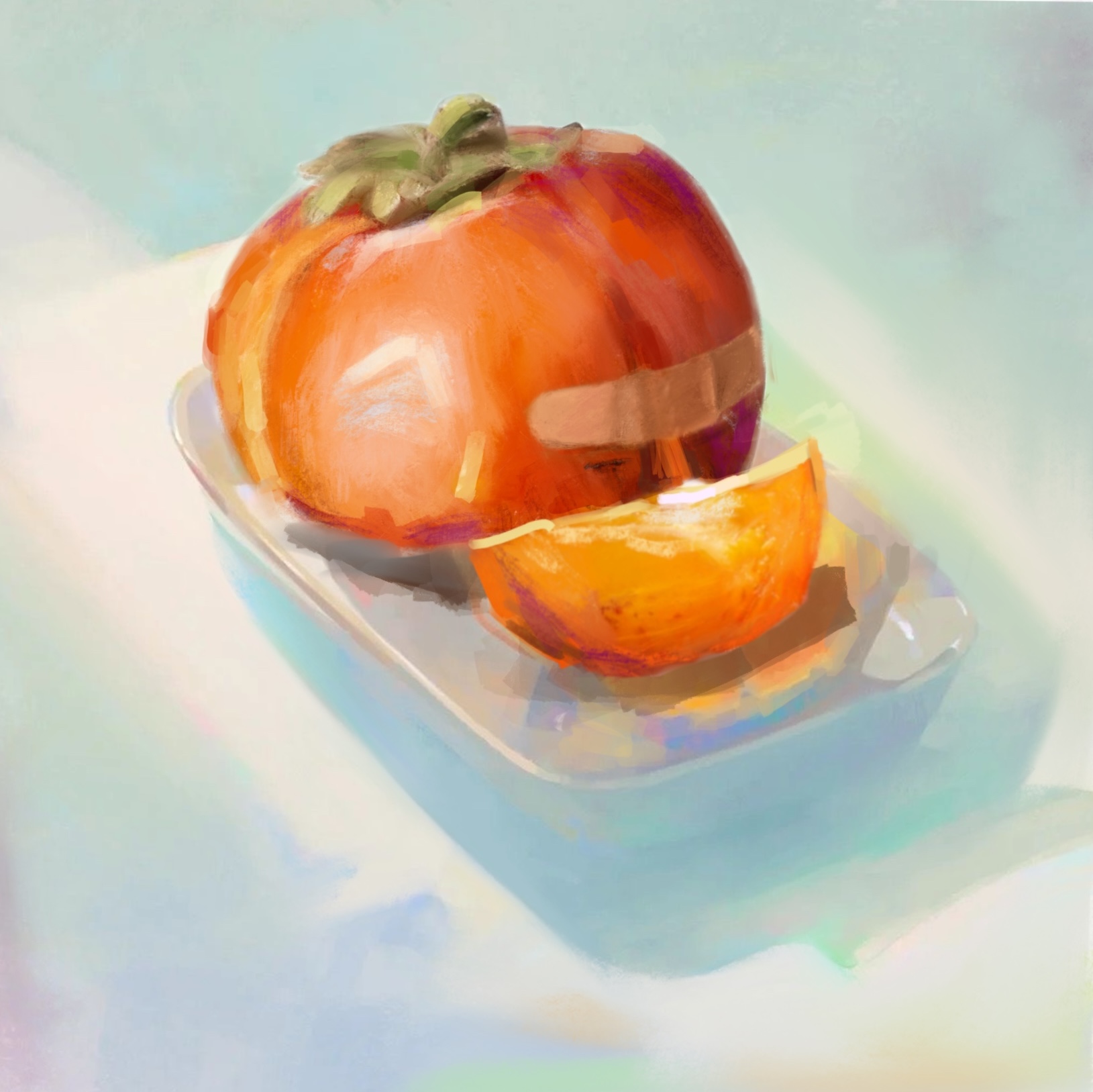
Persimmon
Procreate · 2024
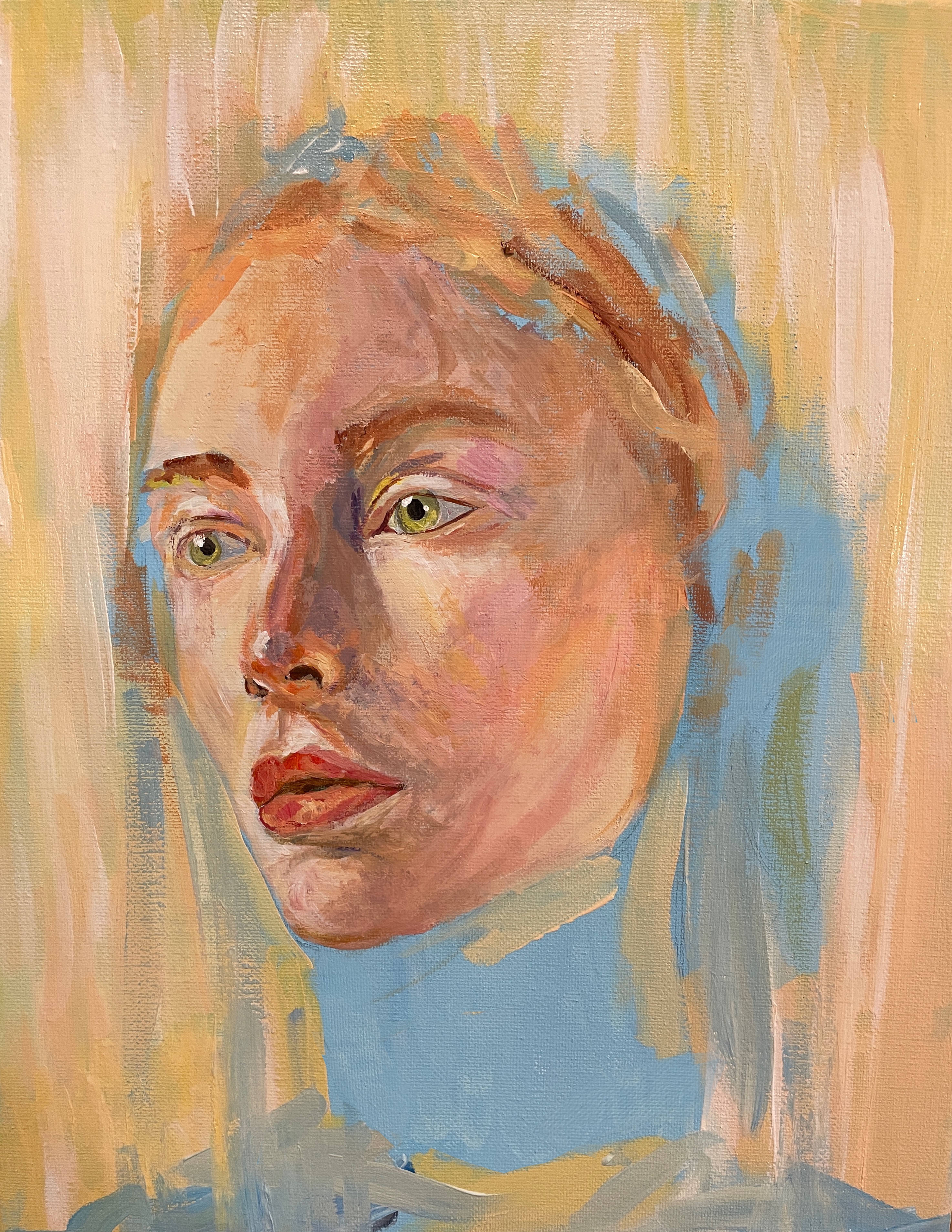
Face
Acrylic · 2022
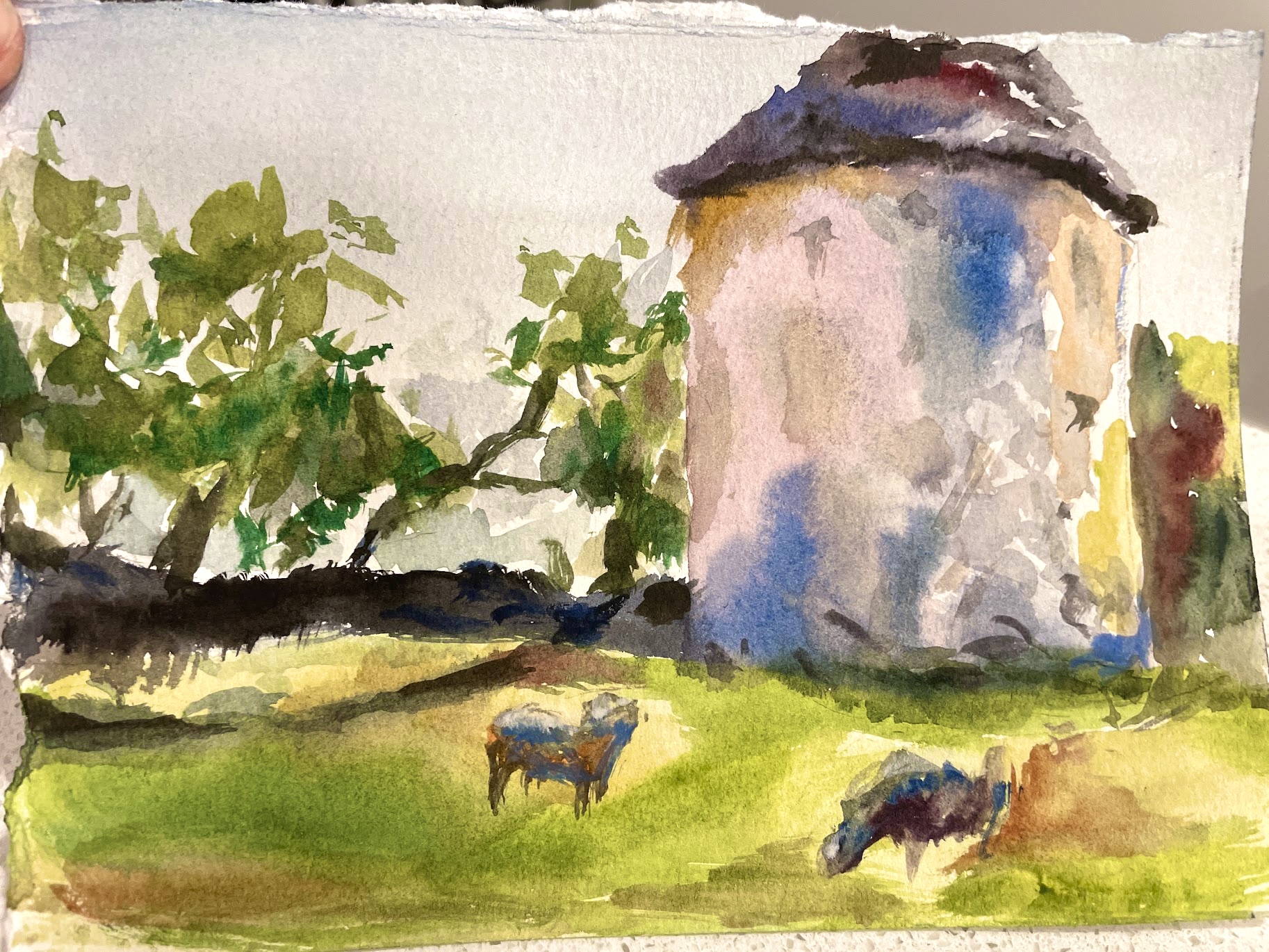
Field
Watercolor · 2024
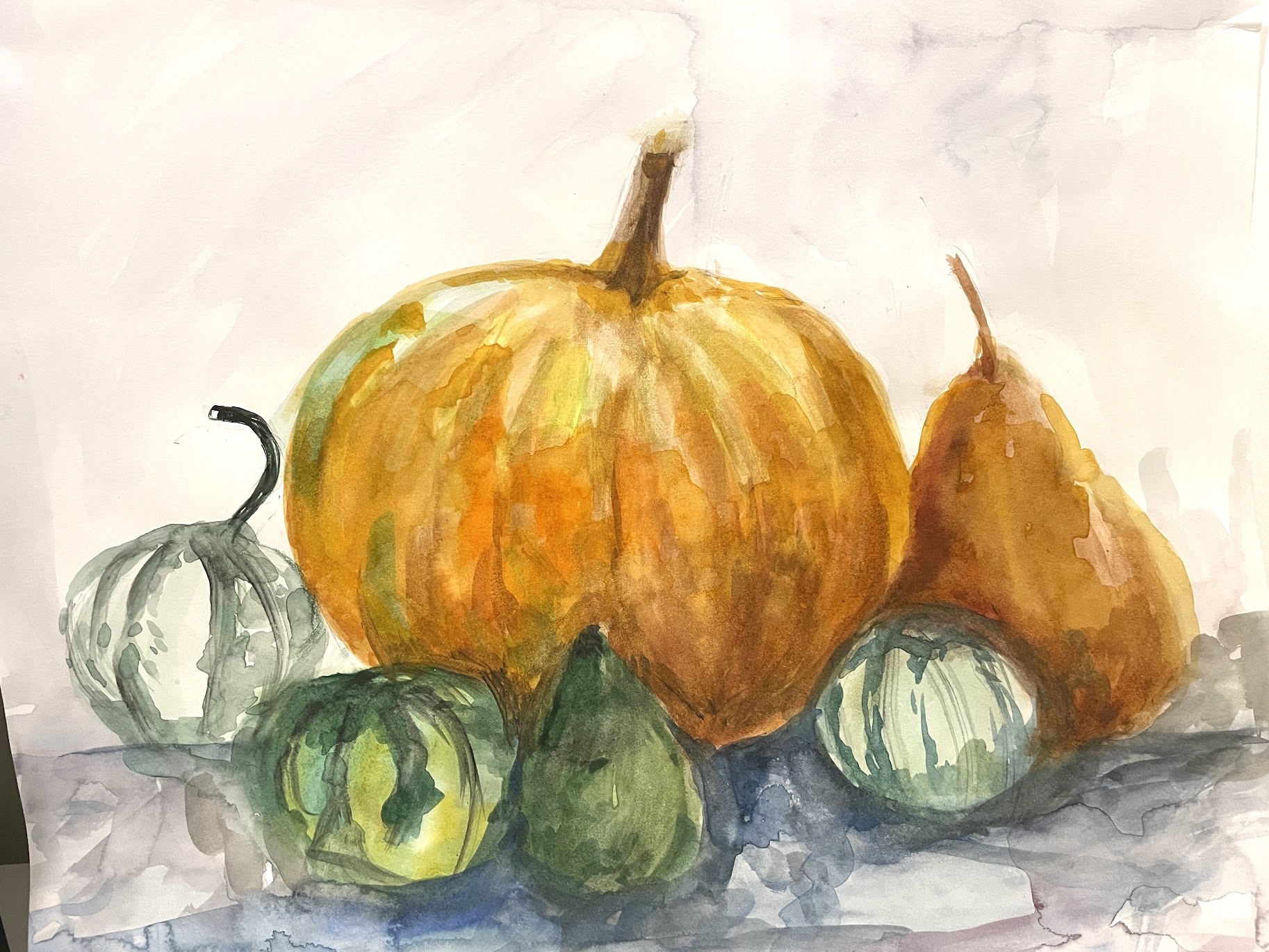
Still Life
Watercolor · 2023
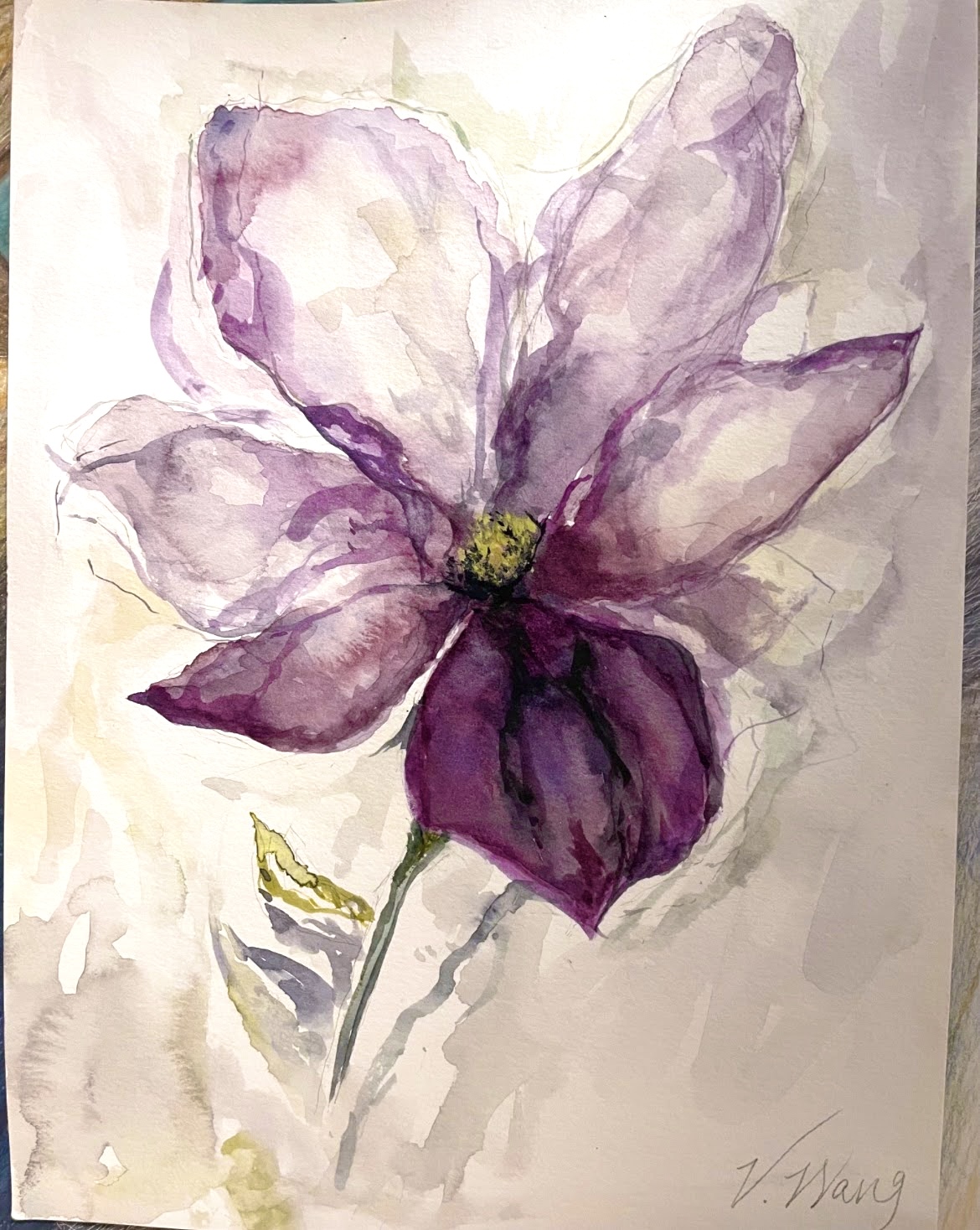
Flower
Watercolor · 2021
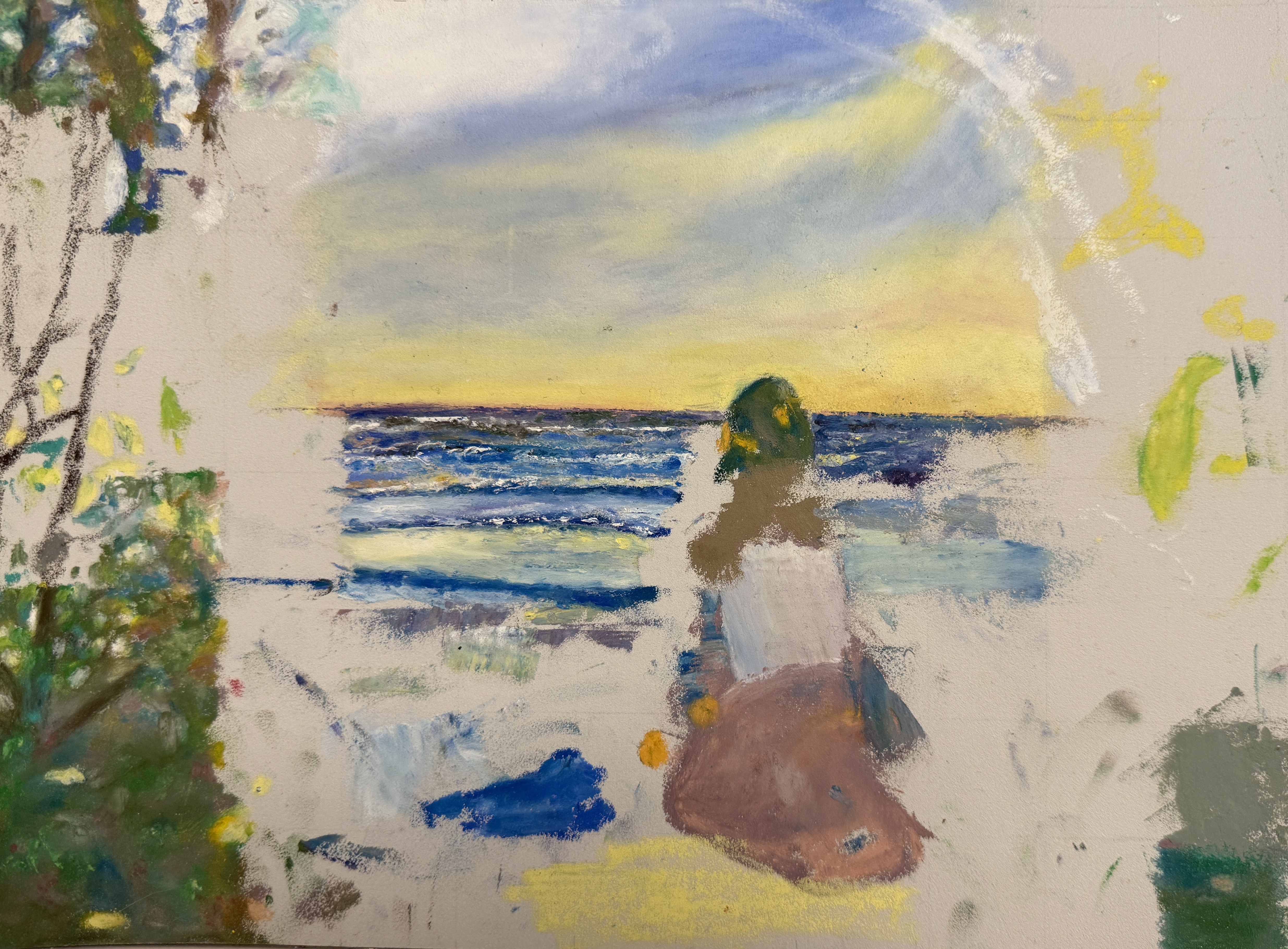
W.I.P
Oil pastel · 2026
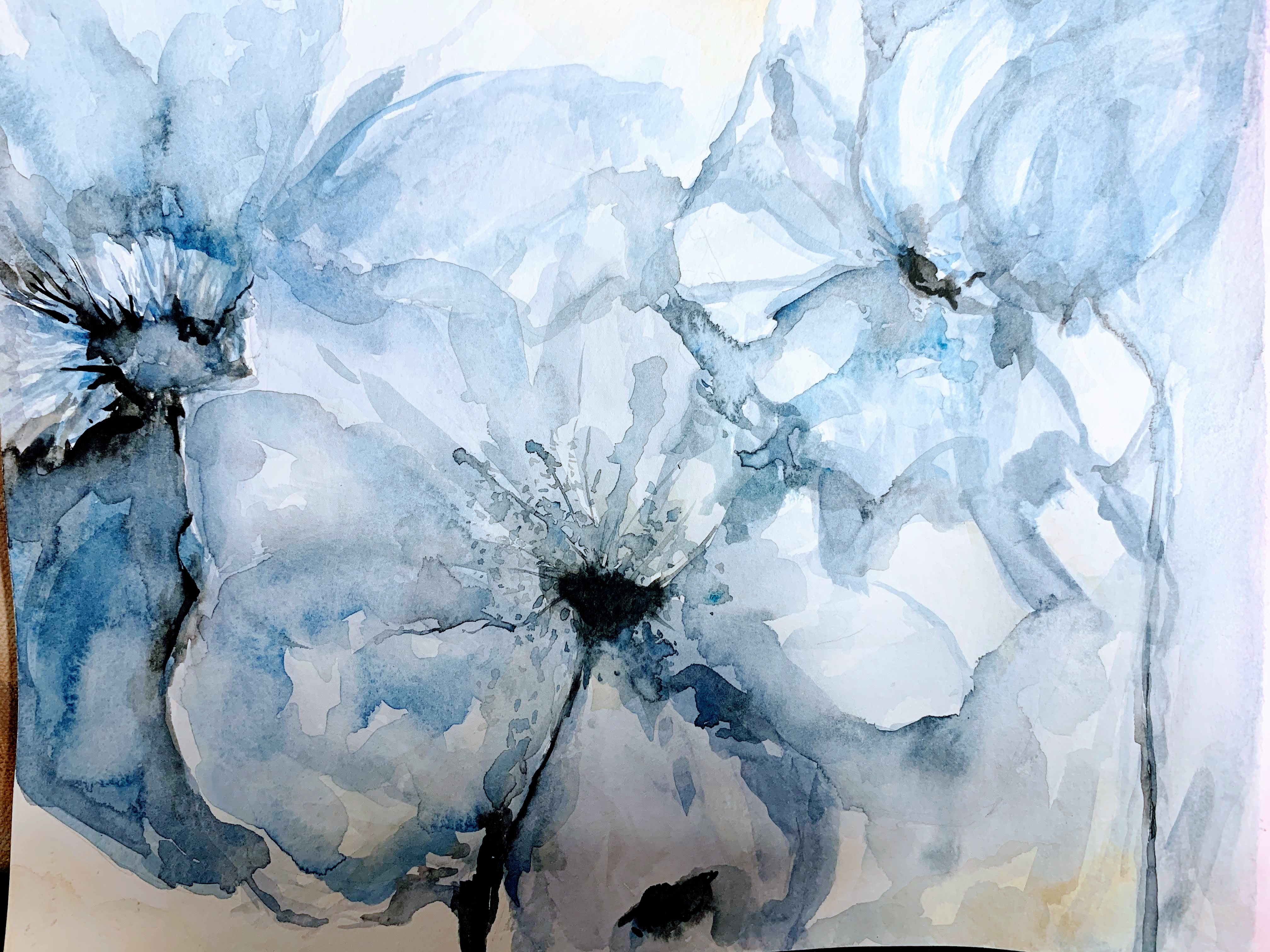
Blue
Watercolor · 2021
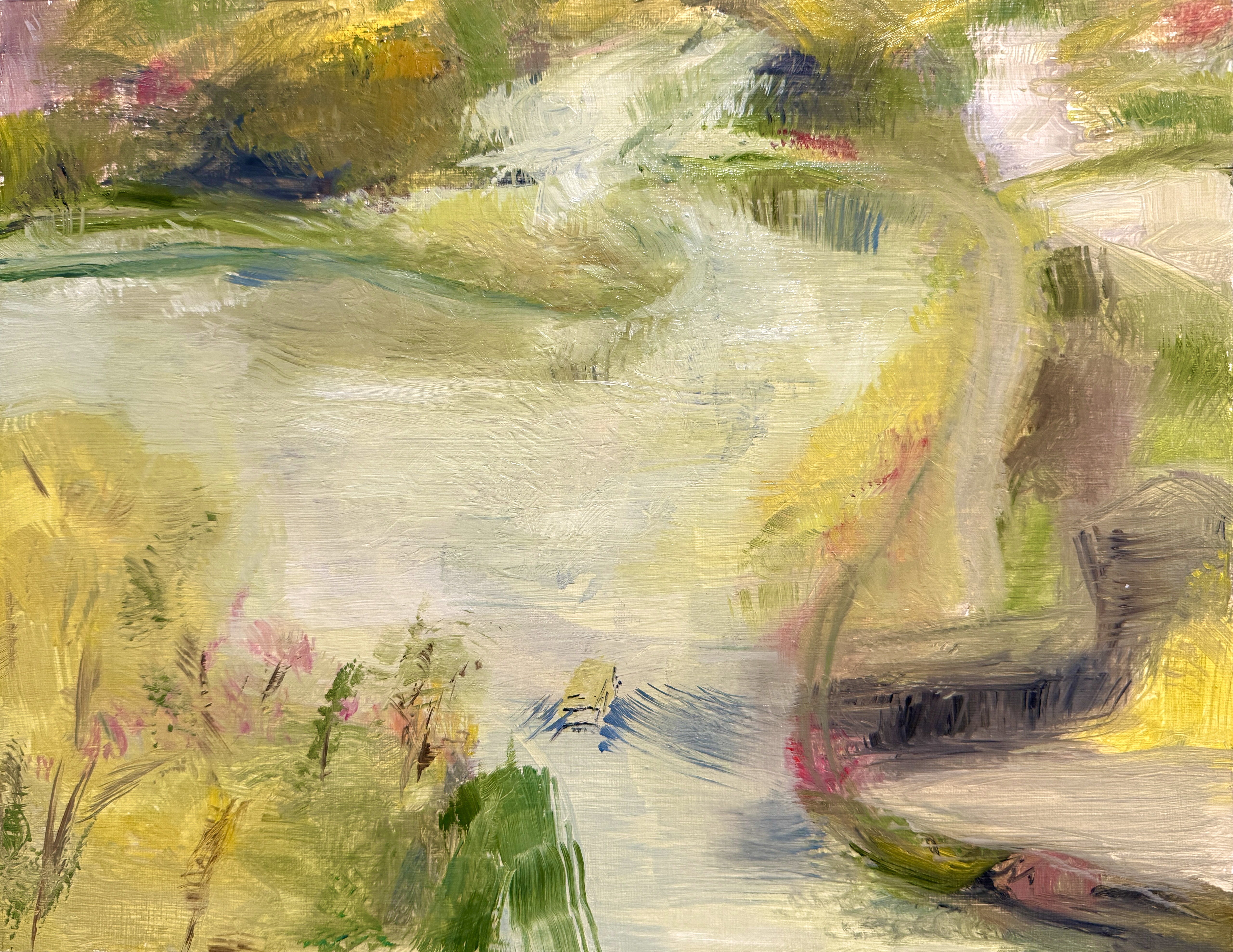
Canal W.I.P
Oil on gessobord · 2026
featured in
- Blue Marble Review
Paths · Cover art · 2024
- Blue Marble Review
Forrest · Issue 36 cover · 2024
- Oil Painters of America
Turbulence · 16"×20" oil — Show #84271 · 2024
- Congressional Art Contest
Greater · Best Drawing — Poolesville HS, Rep. David Trone MD-06 · 2022
- FWS Junior Duck Stamp
Long-tailed Duck · MD State runner-up — national traveling display · 2022
- FWS Junior Duck Stamp
White-cheeked Pintails · MD State runner-up — national traveling display · 2023
- Celebrating Art Magazine
Summer · High Merit — Summer 2021 · 2021
© 2026 Veronica Wang. All rights reserved.